
Guest post – Kale
Posted: December 14, 2015 Filed under: coming out, Testosterone | Tags: gender, gender identity, genderqueer, guest post, hormone replacement therapy, non-binary, queer, testosterone, trans, transgender 2 Comments
This is Kale with their partner, and a pitcher plant. Kale is the one wearing the hat.
And I guess I should start by saying that though I’m not experiencing any noticeable changes specifically from T, I have definitely noticed changes in my overall well-being from the moment I decided that I was ready to start taking T. It was kinda like this relief that, well, things might start to make more sense soon. So, I’m genderqueer, I have started calling my gender “confusion”, the act of feeling comfortable when people do not see me as male or female but instead are confused by my gender presentations. In my dream world children always ask me if I’m a boy or a girl and adults give me weird looks and avoid using pronouns for me. For the past two years I’ve gone by Kale and have used they/them pronouns when I feel like I can express that desire to others (I have a really hard time with coming out as GQ). In those two years I have increasingly struggled with who I am.
Outdated trans programs pt. 3
Posted: October 13, 2015 Filed under: coming out | Tags: estrogen, ftm, gender, gender identity, genderqueer, hormone replacement therapy, lgbt, lgbtq, mtf, queer, testosterone, trans, transgender 2 CommentsMy partner and I uncovered a video I had gotten while in a support group about 10 years ago – a collection of trans-related TV programs from the late 90s / early 2000s. We’ve been spacing it out, watching some of it each weekend.
The first weekend, we watched The Discovery Channel’s “Changing Sexes,” from 2002. It was appalling.
Next we watched an Oprah show about transgender kids, from 2004. It was surprisingly well done.
Part 3 was a program on A&E from 1998 called, “The Transgender Revolution.”
As soon as we started watching it, my partner said she remembered seeing it in a class at College – that’s pretty cool. And her reaction was positive, like it had been worthwhile. And it was – it showcased a few trans-people in respectful and dignified ways. It was also the most political, by far. There was a clip of Leslie Feinberg, and there was footage of Riki Wilchins talking about hate crimes and founding Gender PAC. She talked about going to senators to get policies changed, and going to the APA to get “Gender Identity Disorder” changed. Brandon Teena was talked about, as well as two more recent cases of the murders of trans-women.
The first portrait focused on Tonye, from Tampa, FL. He lives on a farm, works as a sheriff, has a wife and 8 year old daughter. He talks about all the discrimination he has been up against at his job. He also says his community has been hostile – his farm animals have been killed; other times they have been turned loose. He started an online group called TOPS – Trans Officers Protect and Serve, in order to get support for people like him. He had to undergo an internal confidential criminal investigation at his job, which he says is just a pretext for prejudice. It was left on an uncertain note – we don’t know the outcome of his struggles at work.
Next the program focused on Nancy Nangeroni, an engineer from MA. She talked a lot about overcompensating and living as a very macho guy, taking a lot of risks. The turning point for her was when she endured horrible injuries from a motorcycle accident – she realized she could not keep living the way she had been. One great quote from her: “I’m not a pre-op or a post-op because that’s not what defines me as a person.” She founded the IFGE – International Foundation of Gender Education.
The third portrait was really moving because it was done anonymously. “Terry” never showed his face, and neither did his wife and his mother. He owns a construction company and lives completely stealth. He equated being trans to having cancer – it’s something that you live with, and getting treatment is a matter of life and death. His story focused on him getting metoidioplasty. It was made clear that he needed this procedure to be legally recognized as male – he was living in fear of being outed because his documents all had an “F” on them.
The program wrapped up by discussing the extremes of gender in the society we live in. Toys, etc. “In time, the movement may leave America forever changed.” A nice note to end on.
Outdated trans programs pt. 2
Posted: October 2, 2015 Filed under: Uncategorized | Tags: children, coming out, ftm, gender, gender identity, hormone replacement therapy, lgbt, lgbtq, Oprah, queer, raising children, testosterone, trans, transgender 10 CommentsMy partner and I uncovered a video I had gotten while in a support group about 10 years ago – a collection of trans-related TV programs from the late 90s / early 2000s. We’ve been spacing it out, watching some of it each weekend.
The first weekend, we watched The Discovery Channel’s “Changing Sexes.” It was appalling.
Last weekend, we watched an Oprah show from 2004 about transgender children. Surprisingly, it was so well done that it felt relevant and spot on, for children today, more than 10 years later. Oprah made some blunders in terminology and wording (“transgenders,” “When you grow up, what? You want to officially have an operation?” “Children who suffer from gender confusion”), but other than that, the tone was surprisingly respectful.
The show focused on 3 families:
Kaden, an 11 year old FTM trans-person, and his mom.
Dylan, a 5 year old child who strongly feels he is a girl, and his parents.
Hal, a 9 year old FTM trans-person, and his parents.
Kaden’s story focused on how horrific it was to start puberty, his social transition, and how hard it’s been for his mom, although she is supportive. His mom talked about him being able to take further steps, (hormones and surgery), when he’s 18. I found this video and article on Huffington Post – a Where Are They Now from 2013, where Kaden is 20. He ended up getting to start testosterone at age 14 and get top surgery at 16. He seems happy.
Dylan’s story focused on the tension between the parents and between Dylan and his dad. His mom is fine with his son’s preferences and who he might turn out to be. She will buy him dolls and engage in discussions about how he feels he is a girl. His dad does not approve, and there is already a big rift in his relationship with his son. The parents fight about it. The dad stated, “I discipline him.” Things seemed skewed in a way in which the dad was demonized. Dylan was not on the show, but he was shown backstage, happily coloring.
Next, a gender therapist talked about the best practices in how to handle a child going through this. To just be there for the child and love them no matter what. And it might be a phase; it might not – and that’s OK. She claimed that about 1/3 of children grow out of it, 1/3 grow up to be gay, and 1/3 grow up to be trans. I wonder if these statistics hold up?
Hal’s story focused on how open and accepting his parents were, after he verbalized suicidal ideation at 6 years old. His parents claimed that Hal can make his own choices about his path, when he is ready. They talked about difficult moments, and Hal was kind of put on the spot. At 9 years old, I think he was too young to be on the show, talking about his story. He was crying through it. That was hard to watch.
Lastly, a MTF trans-adult came on the air to talk about her life path and how much easier it could have been if she had been able to transition at a younger age. Instead, her doctors were suggesting a lobotomy, and her family was seriously considering it. Luckily they didn’t go through with it, and she grew up as male, had a family (is now divorced but it seems amicable) and is living more authentically now.
This show touched ever so briefly on heavy issues, but shied away each time. Hate crimes were brought up. Homelessness. Suicide rates. Racism. Class issues amongst the families could have been explored. Oprah tends to focus on the positives, which is definitely doing a disservice. But in terms of talking about what kids need, she directed the conversations in the right directions.
The show closed with Dylan’s dad proclaiming that he is now going to go buy his son some dolls when he leaves. When Oprah asked why, he said, “Life is more important.”
Stay tuned for part 3: A&E The Transgender Revolution from 1998.
Outdated trans programs pt. 1
Posted: September 24, 2015 Filed under: coming out | Tags: estrogen, ftm, gender, gender identity, hormone replacement therapy, lgbt, lgbtq, medical treatment, mtf, queer, television, testosterone, trans, transgender 8 CommentsMy partner and I were recently sorting through / condensing our VHS collection. We came across one that was labeled “transgender videos,” and it sparked a memory. I was in a support group in 2005-2006, and one of the facilitators put together this tape and made copies for everyone. It has 4 parts. Parts 1 and 2 are from 2002 – a program on the Discovery Channel called Changing Sexes. My partner and I watched this over the weekend.
We knew it was going to be really bad, but we could not envision how utterly atrocious it turned out to be. This was only 13 years ago, and it’s amazing how far we’ve come; it’s like a public opinion time capsule…
First off, the term “transsexual” was used, and they got it wrong. They referred to FTM trans people as “transsexual women” and MTF trans people as “transsexual men.”
Part 1 was about MTF trans people, and they focused on the stories of 3 people. One was just coming out, one had been out for about a year, living her “real life test,” and one was getting ready to have surgery. A LOT of time was devoted to her (Angela’s) journey toward surgery; they even followed her to Montreal and were in the operating room with her and her wife. Angela was 59 and had just recently come out and starting taking hormones. This last step would “complete her.” (Her words.) They pointed out how lucky she was, in that she could pass and in that her wife stayed with her. She lived in Fresno, CA, and hosted a monthly support group in which people came from upward of 100 miles away to attend.
There were a lot of sensationalistic soundbites. A couple:
“What pushes men to risk everything they have to become women?”
“Believing you were born in the wrong body may be a delusion that won’t be corrected with surgery.”
“Self-diagnosed illness.”
“Watching a parent change from male to female is bound to leave a strong mark on a child’s psyche.”
A therapist was quoted as saying, basically, that people may be convinced they are a transsexual, but once they start the theraputic process, they may come up with alternatives to having to go through a sex change.
Kenneth Zucker, from the Toronto Centre for Addiction and Mental Health, was on the program, basically saying that transsexual tendencies come from one’s upbringing, and that kids have developmental plasticity, even if there is a biological predisposition. I recently read this blog post, partially about Zucker – apparently he is still around, but his clinic is under review, and is not accepting new patients.
Part 2 started out with, “The story of four transsexual women, and their quest to live as men.”
Someone named Thomas Wise, MD, from Johns Hopkins, was quoted liberally in both sections. More than once, he made an analogy to people struggling with anorexia. Basically, would you allow them to continue to make changes to their bodies because they see themselves as too fat? No? Why should we allow people who see themselves as the other gender make changes to their bodies?
One of the stories was about someone named Dirk. He was getting testosterone through a urologist, and he was binding with a combination of ace bandages and sports bras (no mention of how dangerous this is.)
More sensational sound bites:
“What defines a man? Can women ever become one?”
“Are they real men? Imposters? Or something else?”
“She has started hormone injections, rendering him virtually unrecognizable.”
Again, the segment focused heavily on surgeries (both top and bottom), again with footage from the OR.
Twice, a study was brought up, from the Netherlands, in which scientists thought they may have pinpointed a part in the brain, the BSTC structure. In autopsied MTF people, the size was closer to that of a biological woman, and in FTM people, the opposite. Other scientists debunked the findings, saying that it was the cross-hormones that changed the brain structure. It was unclear what finding or not finding this evidence might imply for trans-people.
This program was worthwhile in showing human stories, and that’s what I remember taking away when I first watched it in 2006. Although it was invasive and sensationalistic, these were real people going through real adversity, and it felt important to me at the time. I told a friend who was also in the group that I had unearthed this video, and he said he has purposefully never watched it. I don’t blame him. I mean, it’s not something I would consider “supportive” of trans people. (That’s a huge understatement). So for it to be given out at a support group – I mean, that’s all that was available at the time – it’s what was out there.
It’s reassuring to see that public opinion is changing, but there are still plenty of people who hold on to archaic notions about “transsexuals.”
Stay tuned for part 2 – talking about an Oprah show about transgender children, and an A&E investigative reports: Transgender Revolution.
2.5 years on T without noticeable masculinizing changes
Posted: September 18, 2015 Filed under: Testosterone | Tags: Androgel, androgyny, coming out, gender, gender identity, genderqueer, hormone replacement therapy, lgbt, lgbtq, non-binary, queer, testosterone, trans, transgender 4 CommentsIt’s strange to stick to this same title, “without noticeable masculinizing changes,” because lately, I have started to aim for masculinizing changes. But it still fits because nothing of note has changed yet. About 6 weeks ago, I doubled my dose. I’d like to see my face change shape, and I’d like my voice to drop. Ultimately, I’d like for strangers to gender me as “male,” as the default, instead of “female.” At least more than half of the time. As of now it’s maybe 10% of the time. We’ll see. So far all I’ve noticed is more acne… Oh, also some beginnings of a “happy trail,” which I’ve always hoped to have!
So I’ve jumped from 1 pump of 1.62% to 2 pumps. I might even go up to 3 pumps just to see. Alternately, I might stop all together, just to see. I have my whole life to be on testosterone or not be on testosterone, and now that I’m finally starting to feel more mentally stable again, I’m just kind of really curious.
Here are some other posts from this series, to fill in more information:
2.25 years on T
1.5 years on T
1 year on T
5 months on T
As of now, I feel more sure about other transitional steps than I ever have before. I just can’t seem to get there yet. I feel sure about legally changing my name and about top surgery. And I can imagine some first steps. I just can’t wrap my head around implementing them. A part of me feels like this attitude is a hold-over from feeling so unstable for so long. Not a good time to pursue permanent changes. Just wait for more forward momentum to kick in naturally. A part of me wonders if I should just push myself to get the ball rolling, and positive feelings about it will follow. Right now, I just feel scared. And I guess I’ll sit with that. I don’t think it will last forever. I reached a tipping point with testosterone. (That one, in my mind, felt comparatively easy, I guess!) There’s no reason I won’t reach that point with other changes. I don’t want to force it.
The newest change is that my mom told extended family about my new name (super grateful to her), and people (almost everyone) were using it at a recent family gathering. This felt really validating and also alarming(?) I guess would be the word? I have to say that I’m still alarmed by my new name. It still feels like, “is that me?” I definitely still feel like I have to change it, and if I were to go by a new name, that would be it. There is no better name. But I guess ultimately I feel like, why couldn’t the name I’m used to just have worked out. (I’m super slow to warm up to change – if it’s not obvious.) This tells me that it’s not quite time to pursue legally changing my name. There will be a time – it’s just not yet.
To conclude, here are some face shots:
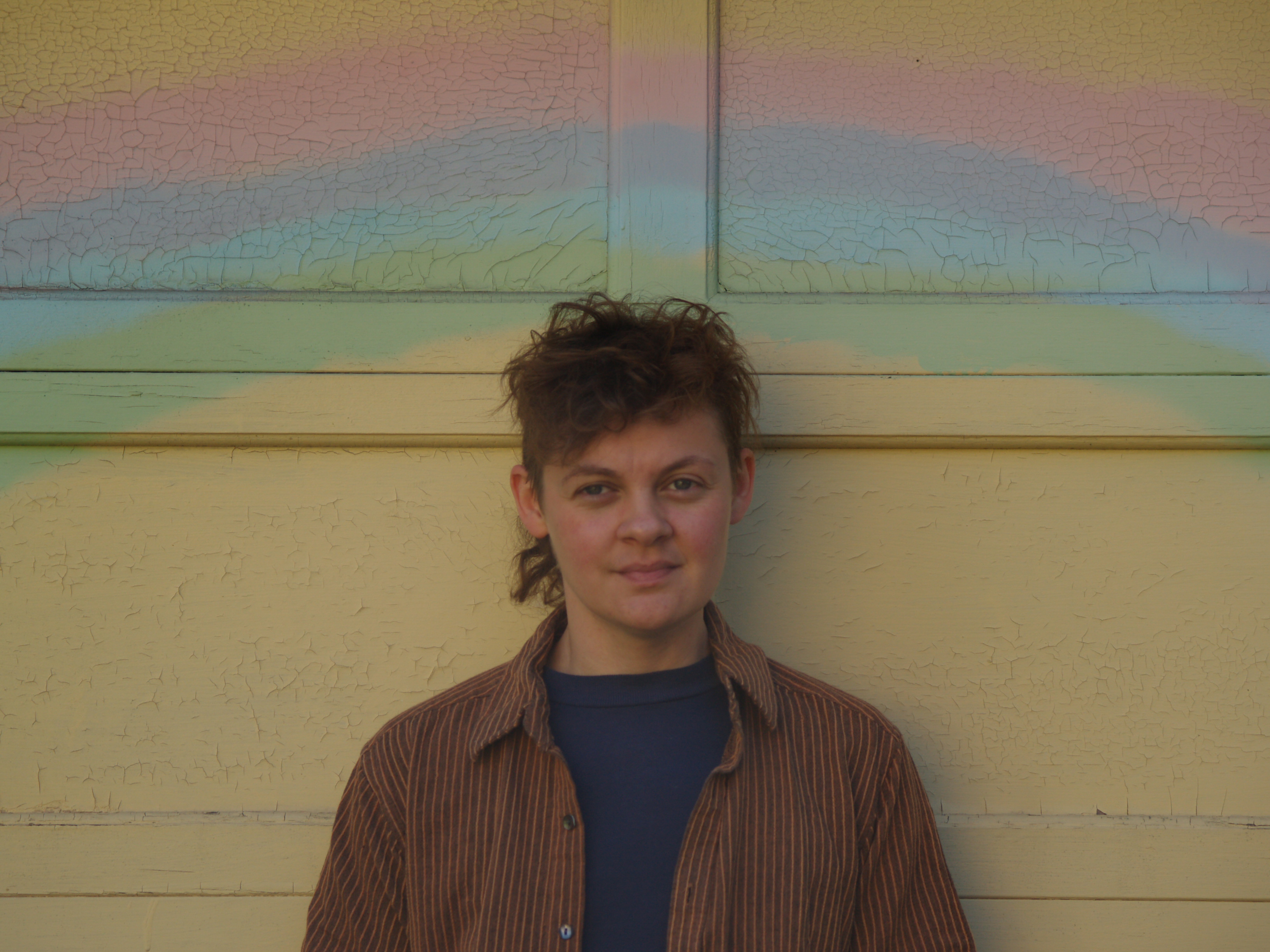

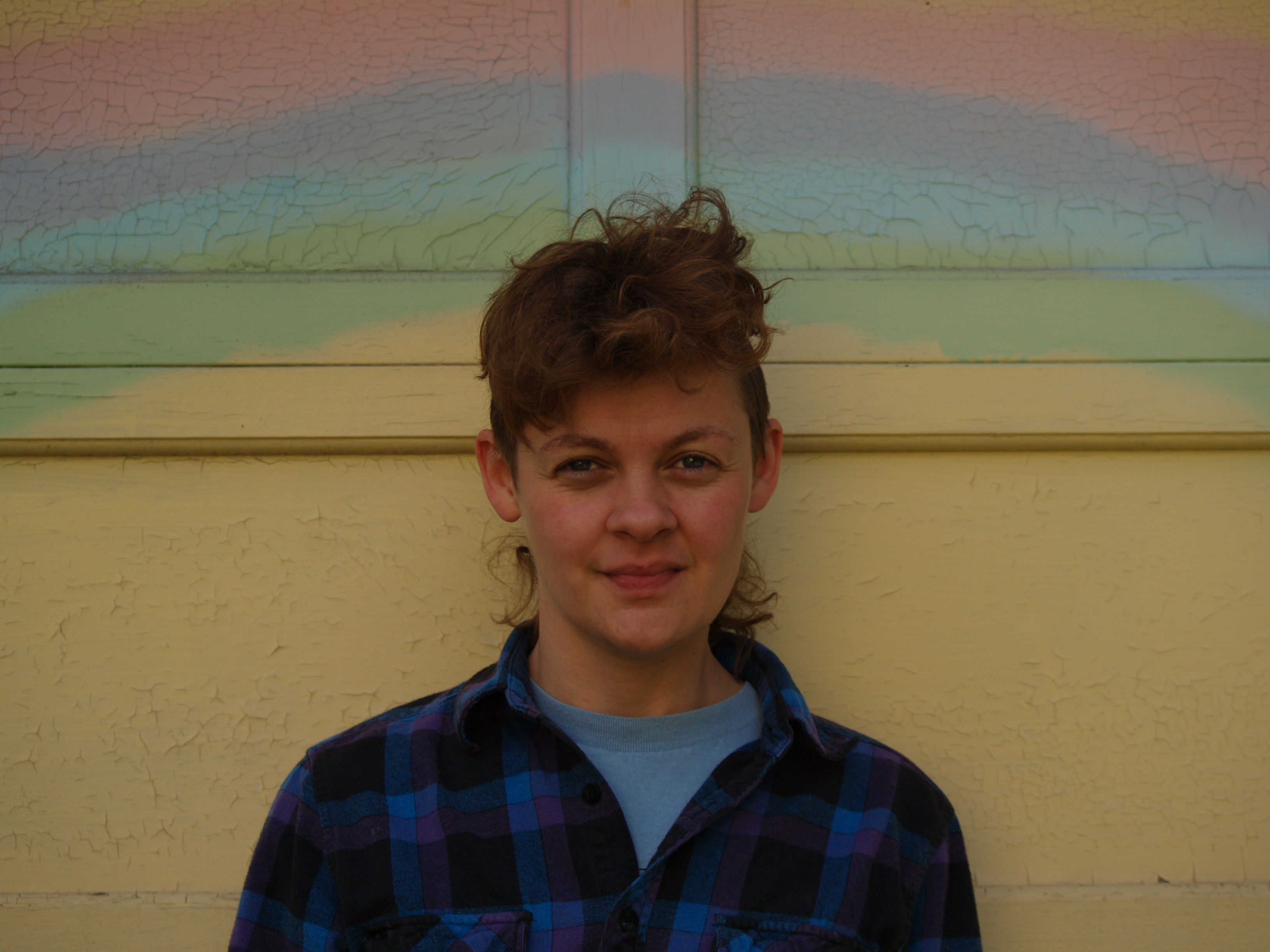
2.25 years on T without noticeable masculinizing changes
Posted: June 18, 2015 Filed under: Uncategorized | Tags: androgyny, depression, gender, gender identity, genderqueer, hormone replacement therapy, lgbtq, mental health, non-binary, queer, testosterone, trans, transgender 8 CommentsThis post is going to be a little bit of a bummer. If you want to read more uplifting posts in the series, here are a couple:
2 years on T
1.5 years on T
1 year on T
5 months on T
I guess I feel like I don’t really know what I’m doing with testosterone. I consider stopping it. I consider just remaining on the same dose. I consider doubling my dose. All these options seem like good ideas, and I can’t really forsee what’s next.
If I stopped taking testosterone: At this point, I’ve gotten used to all the good things I’ve felt from testosterone. And I’m partially convinced the effects have worn off. But that is probably the depression talking – I have been through a lot in the last 6 months, and testosterone couldn’t save me from depression and anxiety. Which makes me wonder what effect it is having. A part of me wants to discontinue it just to be reminded why I am on it. I’ve felt this way about psychotropic drugs in the past – what are they actually doing for me? I feel relatively sure I’ll remember pretty quickly that testosterone is good – a part of me feels like I need that reassurance. Also, I’m starting to notice I’m losing some hair at my temples, so a knee-jerk reaction is to stop before I lose more hair. I’m on such a low dose that I believe this change will plateau out like other changes have plateaued out, but I gotta admit it’s freaking me out.
If I stayed on the same dose: This is working for me, so why not stay with the status quo? Everyone (my doctor, my therapist) is telling me that because I’ve had so much instability and med changes, I should stay on the same dose for continuity – don’t mess with one more thing, physiologically and psychologically. Makes sense.
If I doubled my dose: I have been wanting to do this. I am curious to see. It’d be nice to see some more changes happening. I’d like to see my voice get a little deeper. I’d like to see myself gain a little more muscle mass. I want to be seen as male by strangers more than I currently am. I want to see if it’ll make me feel even more warm and fuzzy and at peace, internally. Just, I want something new! (I’m afraid of more facial hair and a receding hairline though).
It just feels like I’m at an impasse. Of course you don’t get to pick and choose what changes happen. But, I do feel like I can control the rate, which is nice. If I had to make a plan of action, I’d say I’ll be staying on the same dose for a while (a few months), during which time I’ll be aiming to get myself off of some of these medications and continue to stabilize (hopefully). Then I’ll double my dose, at least for a little while, and I’ll obsessively be checking my hairline…
Lastly, for now, a couple of comparison photos:

2.25 years
2 years

1 year
2 years on T without noticeable masculinizing changes
Posted: March 18, 2015 Filed under: Testosterone | Tags: Androgel, androgynous, androgyny, gender identity, genderqueer, hormone replacement therapy, lgbtq, lgbtqia, non-binary, queer, testosterone, trans, transgender 6 CommentsToday marks 2 years! I bring this up each time I do one of these posts, because it’s that important: although I haven’t changed much on the outside, my internal world feels significantly different, and that’s why I stay on it. I don’t have any changes to report, but these back-posts say a lot:
one and three-quarters years
one and a half years
one and a quarter years
one whole year
eight months on T
five months on T
I may be changing my tune. I might increase my dose in order to look more masculine/androgynous. I just don’t know yet. Just wait and see. For now though, here’s some pictures of my face; I don’t think I look different over time. Maybe slightly rounder face?
2 years. I keep taking these photos outside and end up squinting in the sun!
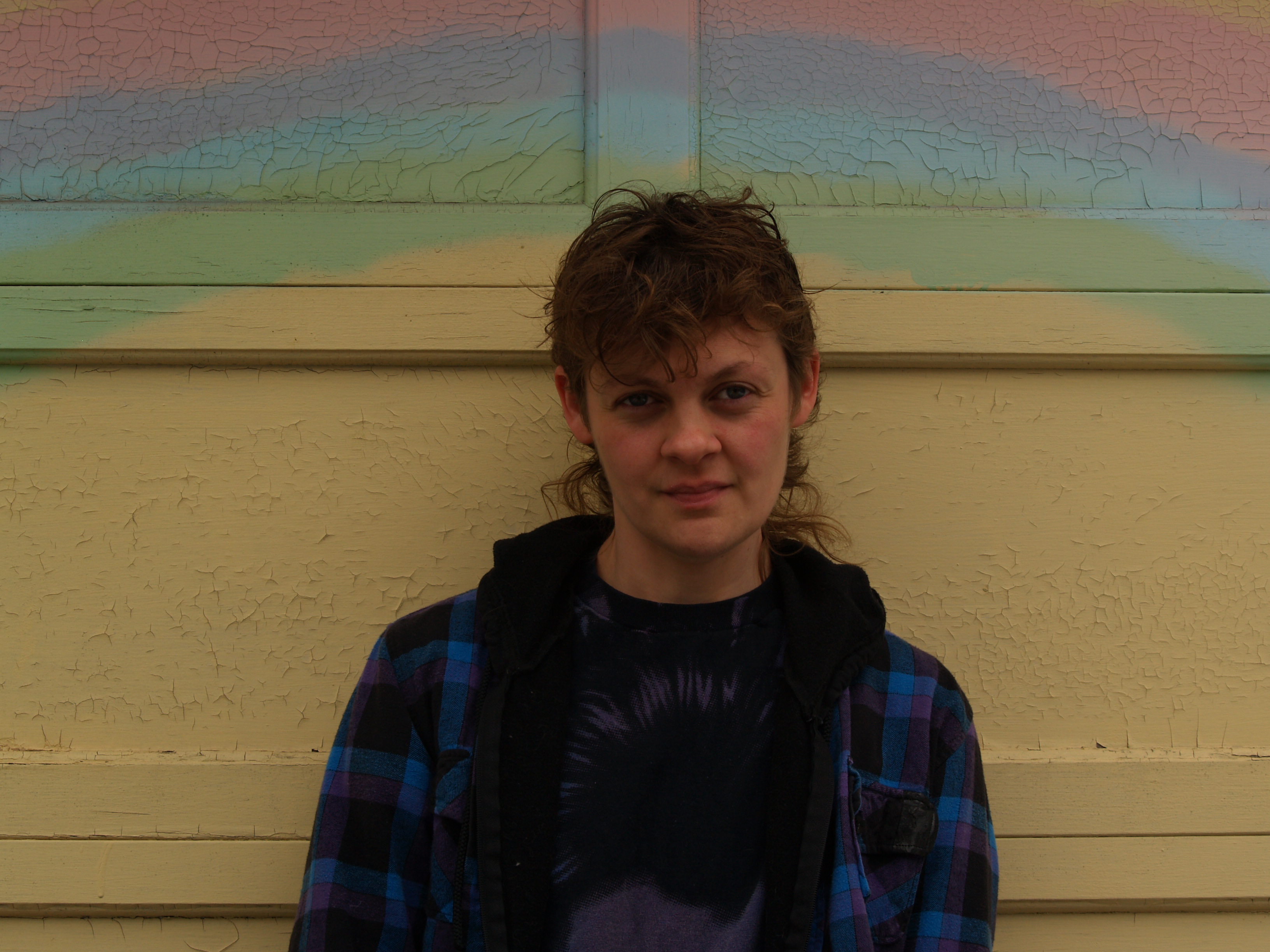
1.75 years on testosterone
one year on testosterone
To celebrate this milestone, I figured I’d post an (edited) email reply I sent an internet friend. They asked, essentially, how I finally made the decision to start testosterone. They were wondering if I felt a hormonal imbalance prior to starting T. I said,
_______________________________
Depression and taking testosterone pt. 2
Posted: March 2, 2015 Filed under: Testosterone | Tags: androgyny, depression, emotions, gender identity, genderqueer, hormone replacement therapy, lgbt, medication, mental health, non-binary, testosterone, trans, transgender 11 CommentsA couple of months ago, I wrote about my aversion to antidepressants and how I’ve felt like testosterone has been acting well, in that way for me. A reader had asked if I have experiences with being on antidepressants while starting T, and since I hadn’t, I asked for thoughts from others. That post is here:
Depression and taking testosterone
I’m going to elaborate on some of those thoughts now because I am currently depressed. I’ve been feeling this way for close to two weeks now, and I acknowledge that it might be a little while before I really pull out of it. It’s not all that surprising or hard to swallow. I suffered from a break from reality and a manic episode 6 weeks ago, and then I spent some time (weeks) in a hypomanic and slightly agitated state. Usually what follows naturally is a rebound depressive episode. My brain is still sorting itself out.
I’ve been spending a lot of my free time sitting and thinking. Or laying down and thinking. Or sleeping. The thinking isn’t doing me any good / getting me anywhere. It’s a lot of dead ends and connecting things to fear responses. But it feels like all I can do at times. Reading has been challenging. Socializing has been challenging. Feeling like doing anything extra has been challenging. Writing (surprisingly) is doable, and always has been when I’m depressed (as long as it’s personal writing as opposed to fiction or academic writing). I’ve been feeling forgetful, and like it’s tough to grasp the details of what is going on around me.
I’m trying to go easy on myself – not berate myself for sleeping 10-12 hours a night. Accepting help from my partner and telling her how much it’s appreciated. Letting myself off the hook for not conversing with others the way I’d like to be, or not doing the things I should really get around to doing…
Things that are sad are even sadder than they’d normally feel. I haven’t been crying; instead I feel a sinking numbness. Things that should be joyful and exciting are just things that happened. Hopefully I’ll feel the joy and excitement later on, like a delayed response once I’m past this? Like I’m storing up the joy for later? Because some good things have been happening; I’m just not feeling it.
There is a bright side though, and that’s what I wanna focus on. I still do think that testosterone is acting as an effective antidepressant. Not so much on my mind / thinking, but definitely on my body / energy. Although I’ve been oversleeping, when I’m awake, I feel good. I don’t feel drained of energy or crushing physical pain, which is so common with depression. It’s not hard to go through the motions of living, even though I really am just dragging my brain along for the ride right now. That feels like a win.
My psychiatrist keeps asking, “How is your depression,” and saying, “If you’re depressed, we’ll add an antidepressant.” And I keep saying (so far) that my depression is fine. I don’t want to add more pills.* I know this is stubborn thinking, and if it goes on too long, I hope I’ll have the wits to just gracefully change my tune. But I really feel like this is a blip, and within a month, I’ll be feeling more like my usual self.
And that’s another win – a lot of times, that depressed feeling is accompanied by a conviction that it will never lift. I don’t feel that. I feel like I’ll be out from under this in no time.
And my brain and I might be friends again before I know it.
*I had been on Geodon, an atypical antipsychotic that was causing some strange hormonal side effects for me. I’m currently switching to Latuda, another atypical antispychotic that has been approved in the US for about a year now. I’m hoping this will go better.
100th post / We just paid off our house!
Posted: February 19, 2015 Filed under: Uncategorized | Tags: adulthood, androgyny, gender identity, genderqueer, homeowning, hormone replacement therapy, lgbtq, mortgage, non-binary, trans, transgender, writing 6 CommentsThis is a 2 for 1 celebratory post – the title says it all!
I started this blog a year and a half ago, largely inspired by Micah’s blog, Neutrois Nonsense to start writing my own story. When I started testosterone, I was overly concerned with the physical changes, and I couldn’t find an answer to my question anywhere. That question: is it possible to be on T long-term, at a dose high enough to make a difference yet low enough to not induce physical changes?
The answer, I’ve found out through personal experience, is YES. Of course everyone is different, but this is a great option for non-binary people who feel more-or-less OK with their appearance yet feel like something is off, something about their world might be improvable. Testosterone could be that thing that makes a world of difference. It was for me.
To celebrate my 100th post, here’s an excerpt of some jottings-down I did before starting this blog:
“I wanna start a blog. I already have a name for it and an address on WordPress. But I have yet to make my first entry. I suppose I’m unsure of how to approach it. I want it to be attractive and interesting to others. I want it to be long lasting. I wanna keep coming up with things to say, but as of now, I can’t envision that. It’s just one step at a time though – I shouldn’t worry about mapping the entire project out…”
And that’s how it’s been. I don’t have a backlog of ideas or drafts started. I just take it week by week, and see what’s out there (or just in my head) to write about. So far this has worked out for me. There is very little pre-planning. I don’t think it’d be sustainable, personally, if there were. I am obsessive by nature, and this is one of the few things that I’m not stressing out about. That’s why it works.
Like the title suggests, I’m also celebrating having paid off our mortgage! I bought this house we live in 8 years ago, and now we own own it. Feels good! How did we do this on two working-class salaries? It wasn’t through help from anyone or an inheritance or lottery win. It was through prioritizing, saving, and strategizing.
1. We live in a city with a low cost of living: One of the reasons I like where I live is that things are affordable. I don’t make much money, but it feels like my money goes far.
2. I am a cheapskate: This is, honestly, the biggest factor in having been able to save so much, and it’s just part of my nature. I don’t tend to buy a lot of new stuff. I get clothes from thrift stores, mostly. We don’t go out to eat a whole lot – my partner mainly cooks at home. We don’t go out to bars or coffee shops all that much, unless it’s to socialize. Socializing at other peoples’ homes is so much better anyway! Coffee, tea, beer, etc. is so much cheaper in-house. You can, in fact have really high quality coffee, tea, beer, etc. at home if you avoid stopping at Dunkin’ Donuts daily.
3. We lived with housemates for years: From the time I bought the house, to just a year ago, we always lived with 2 other people. Those people changed over the years; it really helped aid in a sense of community with others, and also financially. We would have group outings and dinners once in a while. We did a holiday photo and newsletter every year. We hosted a Kraftnite every Sunday evening. I wouldn’t trade in those experiences for anything. At the same time though, it’d be so tough to go back! Now that it’s been just my partner and me for a year, I feel spoiled. It’s nice to feel like we have the house to ourselves. It helped us pay down the mortgage all that much quicker.
In addition, my partner is learning how to drive, and she just purchased a car. We are entering “adulthood” like never before, lately. I cannot wait to be a passenger in her car! (I kinda dislike driving.)
A more complete picture of where I’m at
Posted: February 11, 2015 Filed under: Testosterone | Tags: emotions, gender identity, genderqueer, hormone replacement therapy, lgbtq, medication, mental health, non-binary, queer, testosterone, therapy, trans, transgender, work 5 CommentsLast week, I wrote about some highy unpleasant sensations I was experiencing, that I’d deduced were from testosterone for me right now. Then I thought some more about it. I thought about how testosterone has never been anything but a good thing for me. I also got some insightful comments and talked things through with my partner and my therapist. The testosterone bit may be playing a part, but most likely it’s this new medication I’m on, being all wonky with my hormones.
Another big factor it took me a moment to think through is: my menstrual cycle. Although I’ve been on T for close to 2 years, the dose is low enough that I still get my period. Do I like that? No. But I haven’t been wanting to increase the T enough so that it will cease. Maybe one day I will get a hysto. That’s way down the line though. For now, my menstrual cycle is mild enough that I can deal with it. Until the addition of this atypical antipsychotic (Geodon), that is. While premenstrual, I was experiencing hot flashes and cold sweats. I stunk all around (feet, underarms, breath). I could not be around too much light or too much noise or too many people. (My partner and I call it TMS for Too Much Stimulation.) I was making it through the work day but had no energy for anything else. Or, conversely, I had too much pent up energy I needed to expend by dancing wildly or pacing.
Another piece of the puzzle, that my therapist filled in, was the idea that I’m still coming down from a manic jag. It was acute and short-lived, but the brain takes time to rebound from something so extreme. She told me that, essentially, agitation and “feelings of flying/fun” are two sides of the same coin, neurologically speaking. That made a ton of sense. I was still having fun when I was kicking back at home, on a leave from work. As soon as I returned to work, the stress shot through the roof. Makes sense.
Now that I have the pieces to make sense of all that, and now that my menstrual flow is dwindling, I’m finally feeling like myself again. Even better, actually, I’m feeling like I did when I first got on testosterone. All warm & fuzzy, all cozy and peaceful and grounded in my body. I know my brain <–> body connection still has some sorting out to do, and I know I’m going to get off this drug as soon as it is safe to / I feel like it. Right now though, I am so glad I’m out of the woods on this one.
(It makes sense too, because 12 years ago, I was on Risperdal, a different atypical antipsychotic. I was having really wonky hormonal side effects on that too. Some things don’t change much.)

 janitorqueer